The detention of popular Asaba-based content creator Ifeanyi Ogbonna, popularly known as “Odogwu of Asaba,” over allegations that he raped a 21-year-old woman who later died after allegedly consuming poison has reignited concerns over sexual violence in Nigeria.
Delta State Police Public Relations Officer Bright Edafe confirmed to Gender Rights on Thursday that Ogbonna will remain in custody as they await the outcome of forensic examinations and other investigative procedures.
According to Edafe, the woman travelled from Warri to Asaba on June 1 after contacting Ogbonna about mentorship in content creation, and the case became public on July 15.
Before her death, she recorded a lengthy video on July 14, explaining that she is 21-years- old and why she chose not to report the alleged rape immediately.
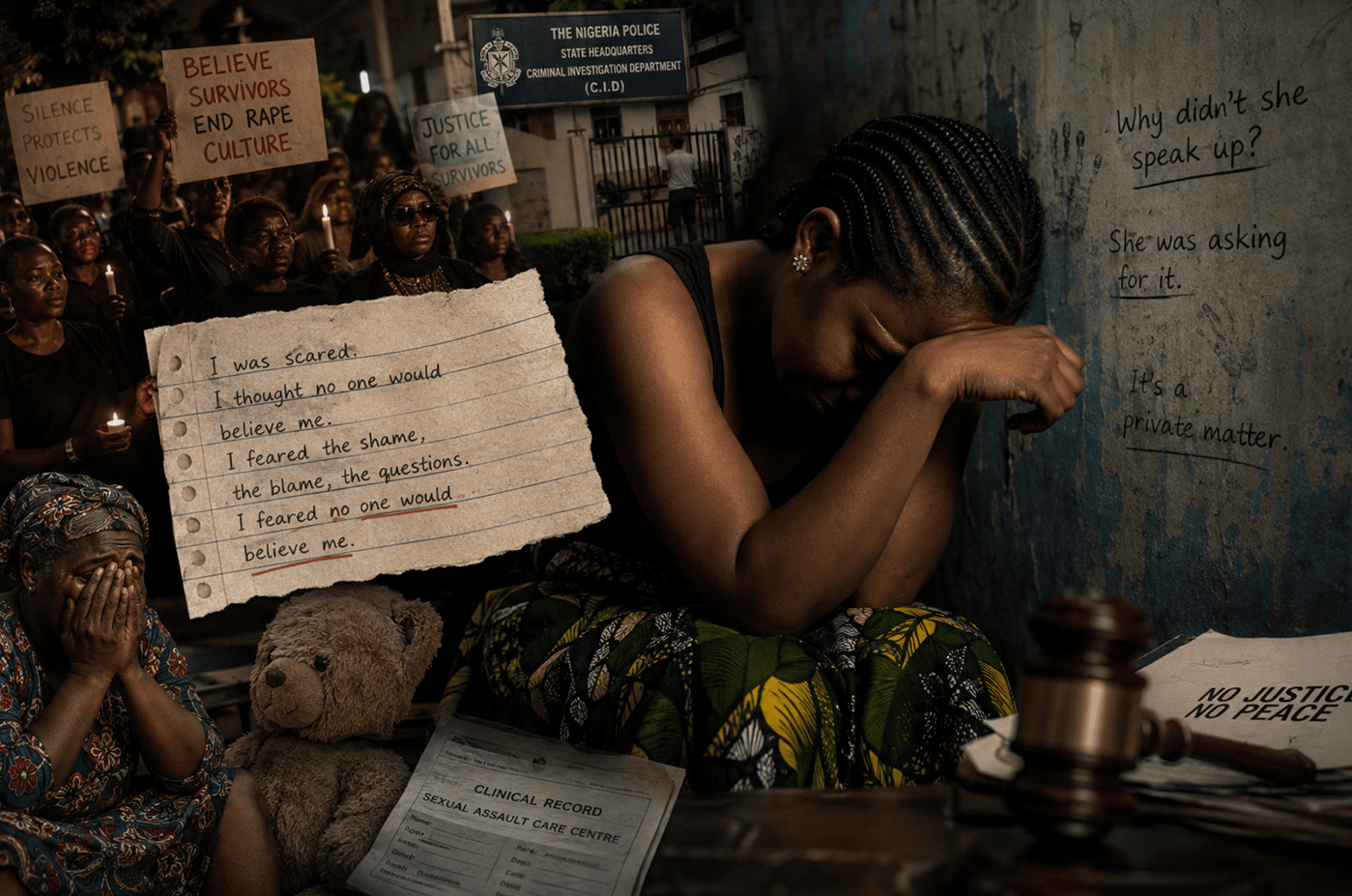
“The last video of me, the whole world will be seeing. By the time you will be seeing this video, I’m already dead…I feared people would not believe me. Even if I call the police, they may say it’s not rape because I’m up to 20 years. I’m 21 years,” she said, adding that she believed the suspect’s popularity and influence would work against her.
Gender Rights could not independently verify the allegations contained in the video, and Ogbonna has not publicly responded to the accusations, while police say the investigation is ongoing.
Her statement mirrors what researchers and women’s rights organisations have repeatedly identified as one of the biggest barriers preventing survivors of sexual violence from seeking justice.
The allegations against the “Odogwu of Asaba” have reignited conversations about why many rape survivors in Nigeria choose silence over seeking justice.
A gender-based violence legal expert in Plateau State, Panmun Dafer, said the case reflects a much deeper national problem, noting that thousands of survivors never report sexual abuse because they fear that they might not be believed, judged, or abandoned by the justice system.
“The fear of victim blaming is causing so many victims of rape and sexual violence to remain silent. People prefer to sweep the matter under the carpet rather than seek the prosecution of the suspect. In fact, most people believe that when they don’t handle the matter with utmost confidentiality, it may affect the possibility of the victim having a husband to marry in the future,” she said.
She said the culture of silence surrounding sexual violence remains widespread across Nigeria, with families often discouraging survivors from pursuing justice.
“Relatives of the victim will always resolve to waive seeking justice because of financial constraints and because of the attitude of security agents,” she added.
Dafer’s observations mirror national data from Nigeria’s Violence Against Children Survey (VACS), Nigeria’s most comprehensive study on violence against children, which found that one in four girls experiences sexual violence before turning 18, and one in ten boys also experiences sexual violence before age 18.
The 2018 Nigeria Demographic and Health Survey (NDHS) similarly found that many women who experience physical or sexual violence never seek help from police or health facilities, instead confiding only in relatives or remaining silent.
According to the Federal Ministry of Women Affairs’ Sexual and Gender-Based Violence Dashboard, Nigeria recorded 27,698 cases of sexual and gender-based violence between 2020 and October 2023, with only 393 convictions recorded despite 1,145 deaths linked to SGBV, highlighting the enormous gap between reported cases and successful prosecution.
The figures illustrate the gap between reported cases and successful prosecutions, with many complaints withdrawn or abandoned because of intimidation, stigma and lengthy legal processes.
In her recorded statement, the 21-year-old alleged that Ogbonna invited her to Asaba after she sought advice on how to make money because she had a financial challenge, noting that she travelled to Asaba without informing her parents, but informed her twin sister, who gave her the suspect’s phone number and name.
She explained that she no longer had screenshots of her conversations with the suspect because she had activated WhatsApp’s 24-hour disappearing messages feature.
“He did not engage in any conversations with me on sex that I would now say, okay, I’m going there.”
She said the suspect sent her transport fare and later took her from his shop to a car wash before proceeding to the hotel.
“He has a boutique in the hotel. His boutique is inside the reception of that hotel. So even before entering, he told me that this is where he normally lodges. I said okay. I was not scared because he’s a popular person. And he would not want to try to do anything because people might drag him. I went inside,” he explained.
She alleged that he sexually assaulted her.
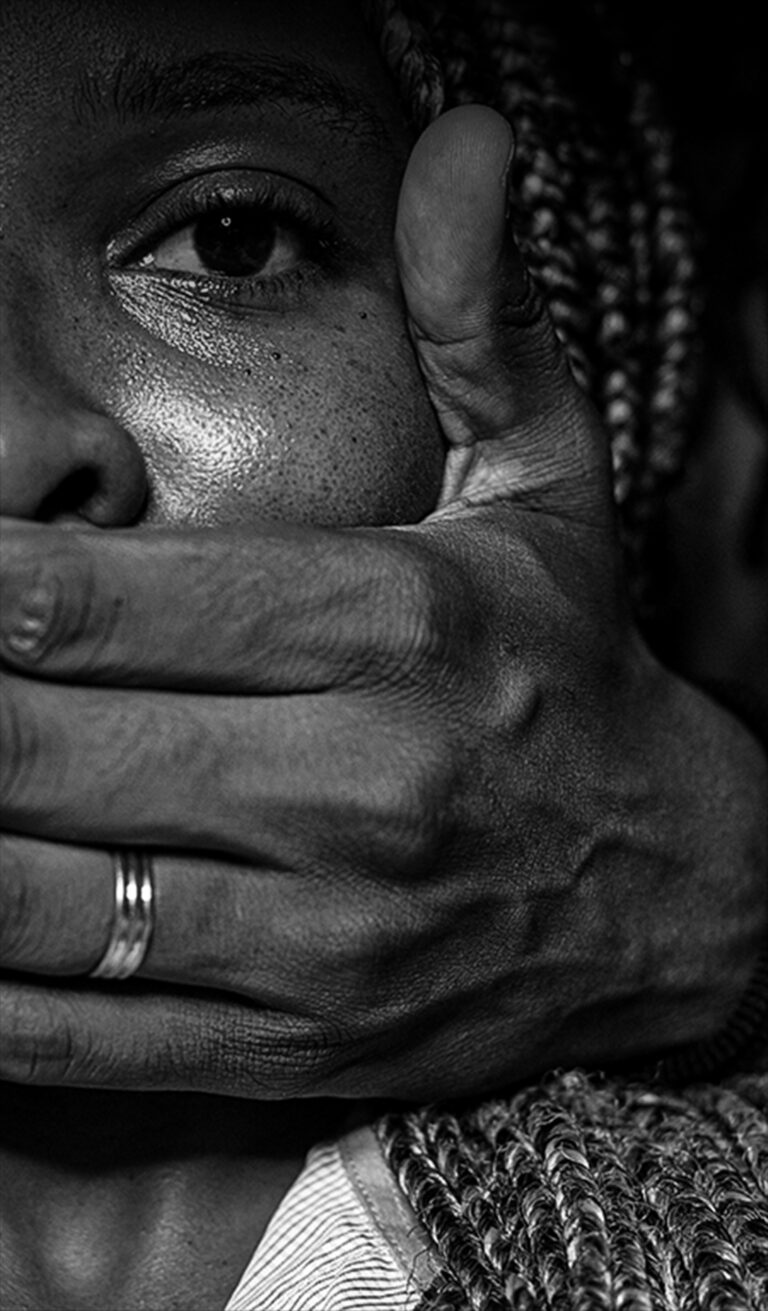
“He covered my mouth with his hand and pressed me down. I was shouting, but nobody could hear me,” she said.
She said she suffered heavy bleeding afterwards and that Ogbonna apologised, gave her 8,000 naira (US$5.80) for transportation, and promised to send money for medical treatment.
The woman said she accepted the apology because she wanted to leave the hotel safely.
Shortly after recording the video, she allegedly consumed a poisonous substance. She was taken to the hospital but later died.
Police have not released the cause of death and said investigations into both the alleged rape and her death are continuing.
Another video shared by the police appears to show the handcuffed suspect speaking to two people believed to be the deceased’s parents inside what appears to be a police facility.
He struck a table with his handcuffed hands in the footage and said: “This is a very terrible mistake.”
The commissioner of police assured the deceased’s family and members of the public that the allegations would be thoroughly investigated and that no aspect of the case would be overlooked.
Dafer said the woman’s death could complicate any prosecution because survivors’ testimony and immediate forensic evidence are often central to rape cases.
“Rape cases are criminal cases and must be proved beyond a reasonable doubt. Ordinarily, medical examinations should be carried out on the survivor immediately after the assault to establish evidence such as penetration and the presence of semen. Now that the survivor is dead, proving the offence may become much more difficult,” she explained.
She also said that although prosecutors can still rely on other forms of evidence, including witness testimony, digital evidence, forensic material collected before death, medical records, CCTV footage where available, and any dying declaration recognised by law, the absence of the survivor’s testimony and immediate forensic examination often presents a major challenge in sexual offence prosecutions.
“Also, in the absence of medical examination results, another piece of evidence that could secure a conviction is the evidence of the victim, and unfortunately, she is dead,” she added.
The case has also focused attention on Nigeria’s fast-growing creator economy, where aspiring influencers often seek mentorship through informal social media relationships without institutional safeguards.
Dafur said the largely unregulated nature of the industry can leave young women vulnerable to manipulation, coercion, and exploitation.
The United Nations Population Fund (UNFPA) and UN Women have repeatedly warned that stigma, fear of retaliation, social pressure and distrust of the justice system continue to discourage survivors of sexual violence from reporting abuse, contributing to widespread underreporting across Nigeria.